The 10 Minute Break: Plan It or Waste It
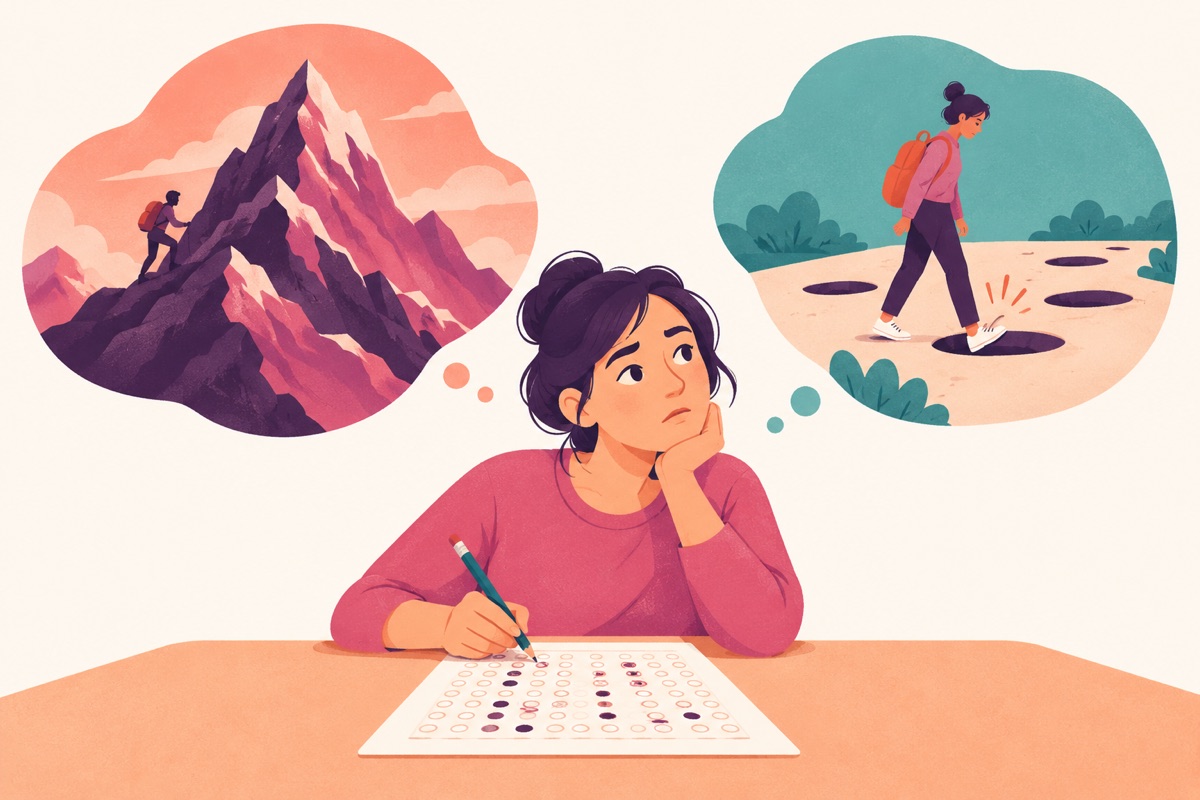
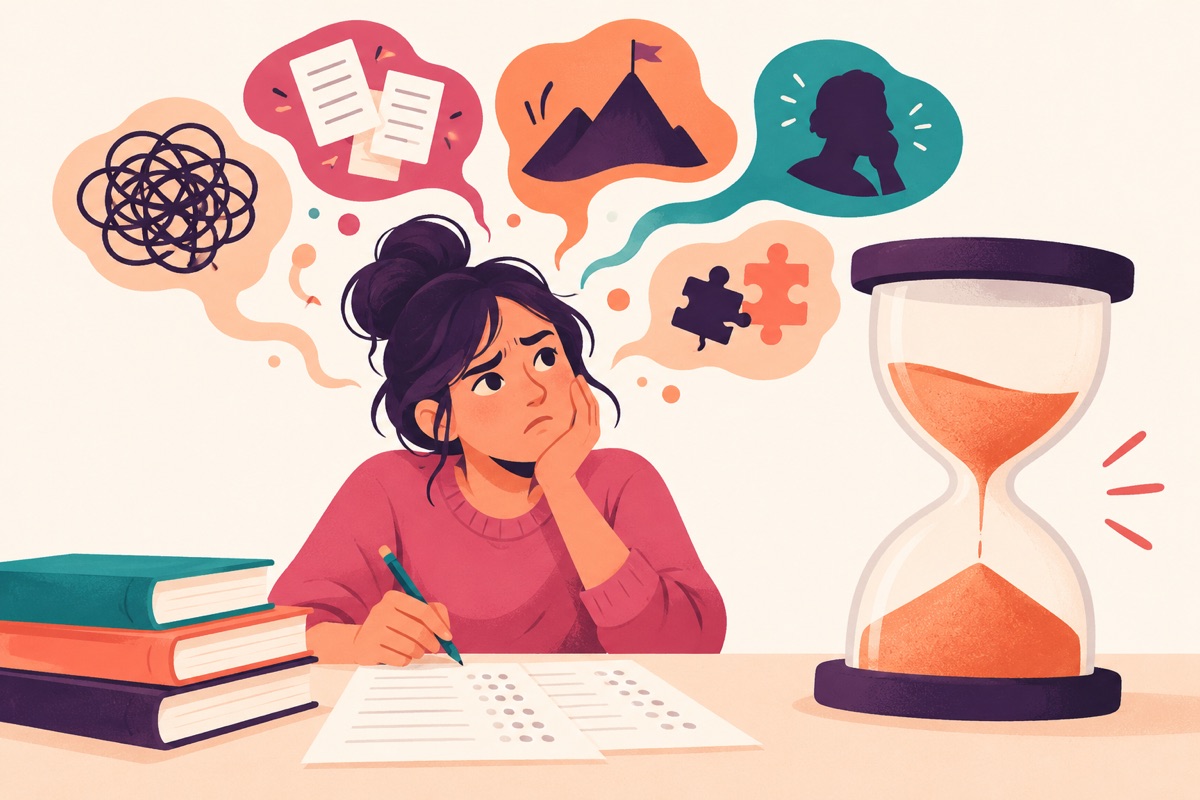
The third section ends. The screen tells you the break has started. You have 10 minutes. Here is what I watch people do with those minutes every single week. Some stay glued to the chair and stare at the countdown. Others wander out, replay every question they think they missed, sip some water, and wander back with a head full of worry. Both of those are a WASTE.
So here is the verdict up front: the break is part of the test. You either plan it or you waste it. There is no third option.
Why 10 minutes matters more than you think
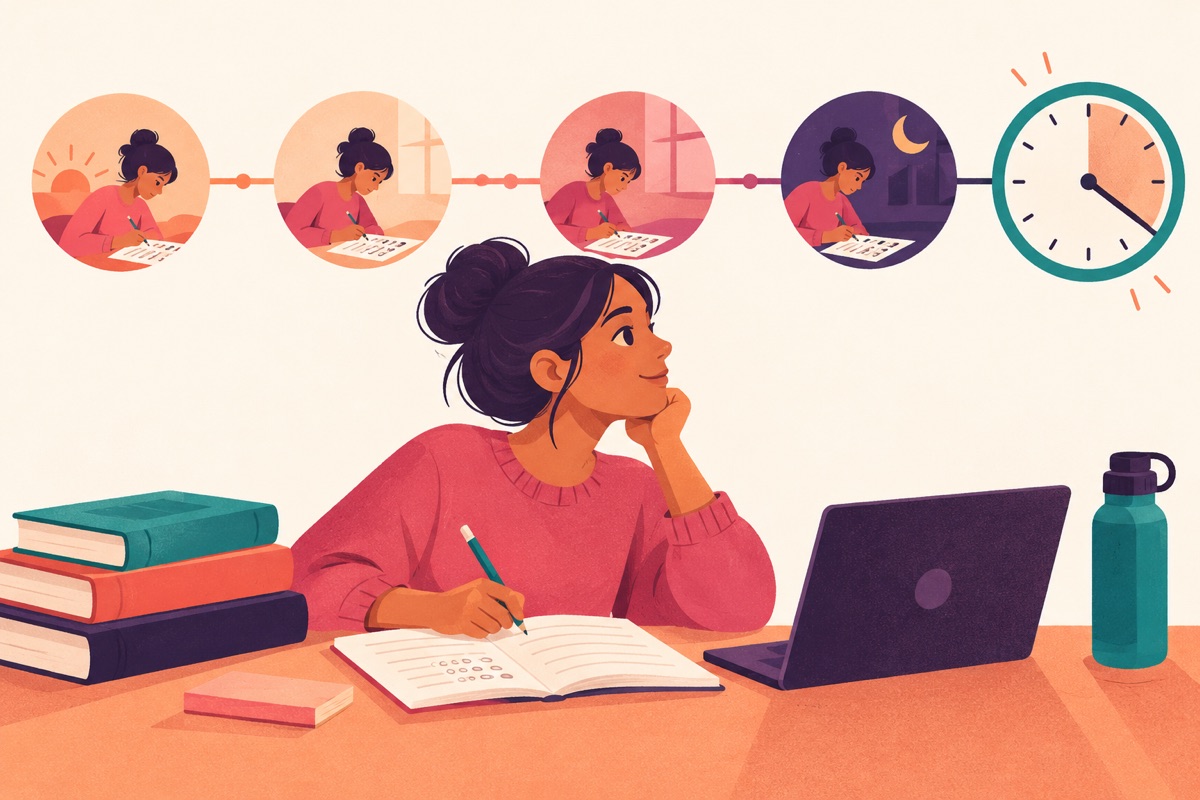
The GRE General Test runs about 3 hours and 45 minutes. You get two essays (an Issue essay and an Argument essay, 30 minutes each), two Verbal sections (20 questions in 30 minutes each), two Quant sections (20 questions in 35 minutes each), and one unscored section. That unscored section looks exactly like the others, and you will not know which one it is. The 10 minute break comes after the third section.
Stop and count. When that break starts, MOST of your Verbal and Quant work is still ahead of you. And since you can't tell which section doesn't count, you have to treat every section after the break as one that DOES.
There is one more reason. The GRE is adaptive section by section. That means how you do on your first Verbal section sets how hard your second Verbal section will be, and the same goes for Quant. The sections after the break aren't a cool down lap. They are where a lot of your score gets decided.
Now a wager. I'll bet that on your last full practice test, you either skipped the break entirely or you took 25 minutes, made a sandwich, and checked your messages. Be honest. Which one was it? Because whichever one you did, you trained for a test that doesn't exist.
The minute by minute plan
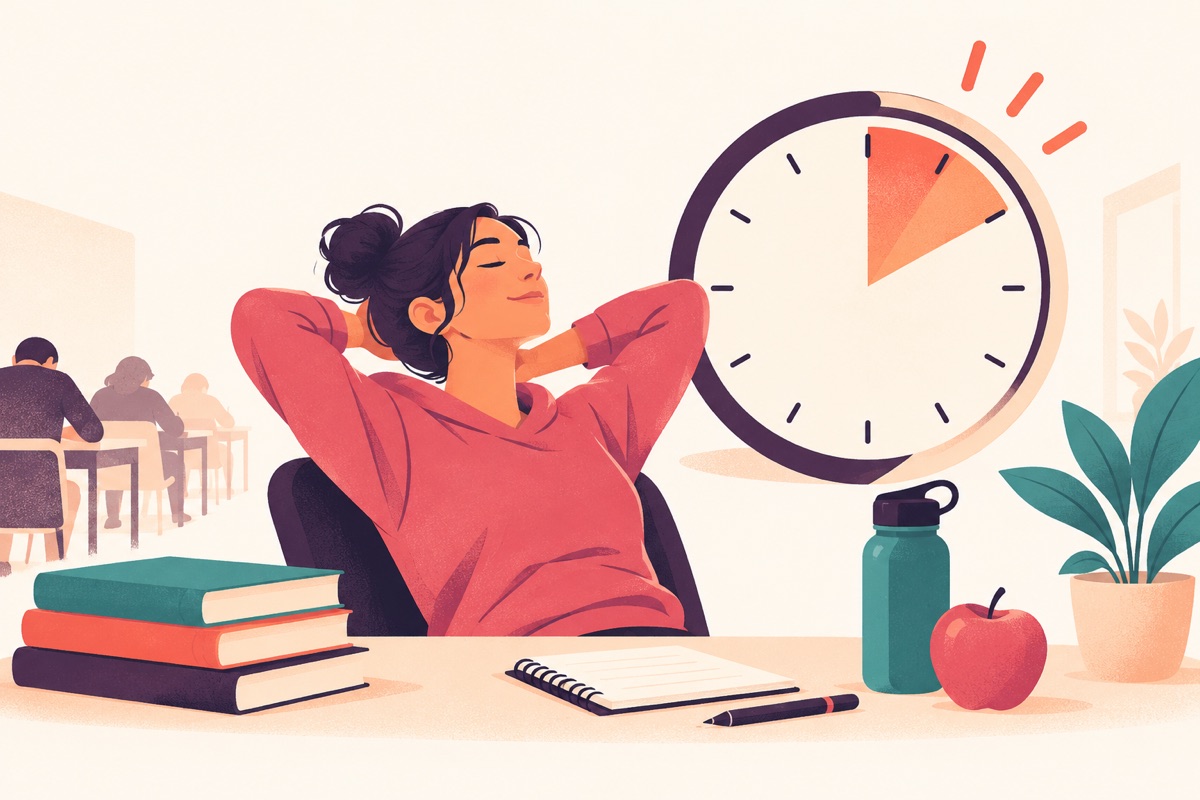
Ten minutes is not a lot, and getting out of the room and back in at a test center eats real time. So you need a plan you can run without thinking. Here is one that works:
- Minutes 0 to 2: Get up and get out. Go to the restroom whether you think you need it or not. Sitting through the second half with a full bladder is a silly way to lose focus.
- Minutes 2 to 4: Water and a small snack. Something simple that you have eaten before. A handful of nuts, a banana, a granola bar. This is fuel, not a meal.
- Minutes 4 to 6: Move. Stand up straight. Roll your shoulders. Stretch your neck and your hands. You have been hunched over a screen and a notepad for a long time, and your body has noticed.
- Minutes 6 to 7: Reset your head. Close your eyes. Take a few slow breaths. Say one sentence to yourself, something like "New section, fresh start, notes on everything."
- Minutes 7 to 10: Head back early. Be in your seat with time to spare, sitting up, ready to go. The goal is to start the next section calm, not out of breath because you cut it close.
The 5 ways people waste the break
- Staying in the chair. "I'm in the zone, I don't want to break my focus." You are not in the zone. You are sitting still and getting stiff. INSTEAD: Get up every time. Movement wakes up your brain far more than sitting there does.
- Replaying the first half. "I think I got that probability question wrong." Maybe you did. You can't change it now, and that section might even be the unscored one. INSTEAD: Make a rule: no thinking about past questions during the break. Your job is the NEXT section.
- Eating something new. Test Day is not the day to try that energy drink a friend swears by. A strange food or a big jolt of caffeine can leave you jittery or sleepy right when you need to be sharp. INSTEAD: Pick your break snack weeks ahead and eat it during every practice test.
- Coming back at the last second. You stretched it, you lost track of time, and now you are rushing back with your heart pounding. INSTEAD: Aim to be seated with at least a couple of minutes left. Early is calm. Late is stress.
- Never practicing the break. This is the big one, and it causes most of the others. If you have never run your plan, you won't run it on Test Day. You'll improvise, and improvising under pressure is how people end up staring at a wall. INSTEAD: Build the break into every full practice test, at the same spot, for the same 10 minutes.
Why you MUST practice it before Test Day
Marathon runners don't figure out how to grab water on race day. They practice it on their long training runs, over and over, until it costs them nothing. Your break works the same way. It is a skill, and skills come from training, not from reading a blog post once and nodding.
Here is what happens when you skip that training. You come back from a sloppy break a little foggy. Foggy brains reread questions. Foggy brains try to do math in their heads. Foggy brains skip the notes. Then the clock starts to feel tight, and you decide you have a "pacing problem." You don't. As I've written before, your pacing 'problem' is not about the clock. It is about what you are DOING, and a tired, scattered head does everything slower.
So when you take ETS's free POWERPREP practice tests, take them the full way. When you reach the end of the third section, set a timer for exactly 10 minutes. Get up. Run the plan. Sit back down before the timer goes off. Then pay close attention to the first few questions after the break.
Here is the kind of question that could be waiting for you when you sit back down. A rested brain handles it in under a minute. A foggy brain gets it wrong and feels sure about it.
Your break is a decision
You'll hear people say they're "nervous" about Test Day. Nervous implies you are not in control. With a planned break, you ARE in control of one more piece of the day. You know what you'll eat, when you'll move, and when you'll be back in your seat. That isn't nerves. That is preparation.
So here's what you can do TODAY. Grab a sticky note and write your 10 minute plan on it: restroom, snack, stretch, breathe, back early. Pick the exact snack. Put your next full practice test on the calendar, and put the break on the calendar right after the third section, with a 10 minute timer and no phone. Then, after that test, write down one sentence about how the first five questions after the break felt. That sentence is data. Use it.